
Have you ever typed “flatform” when you meant “platform,” or wondered whether the two words are interchangeable? You are not alone. These two terms look strikingly similar, sound almost identical, and share a connection to footwear, yet they carry very different meanings depending on the context you are using them in. Getting them confused can make your writing sound unprofessional or, worse, confuse your readers entirely.
This guide breaks down the flatform vs platform debate in plain, easy-to-understand language. Whether you are writing about fashion, technology, business, or everyday life, knowing when to use each term will sharpen your communication and keep your content clear and authoritative.
What Is Flatform and What Is Platform?
Before diving into usage rules, let’s clearly define both terms so you know exactly what each one means.
Define Flatform
A flatform is a specific type of shoe that combines the height of a platform sole with the comfort of a completely flat footbed. The word itself is a blend of “flat” and “platform,” which gives you a strong hint about its structure. Unlike traditional heels or wedge shoes, a flatform keeps the sole perfectly level from heel to toe, meaning there is no incline, no tilt, and no arch elevation.
The term entered mainstream fashion vocabulary around 2011 when high-end designers, including Prada, introduced thick-soled flat shoes on their runways. Since then, flatforms have become a popular footwear choice for people who want added height without the physical discomfort of wearing heels.
Flatforms are primarily a fashion and footwear term. Outside of this specific context, the word has very limited use in everyday English. If you encounter “flatform” in a technology or business conversation, it is almost certainly a typo or error.
Key characteristics of a flatform:
- The entire sole is uniformly thick from front to back
- There is no heel elevation or slope in the footbed
- Provides added height without changing the natural angle of the foot
- Available in styles including sandals, sneakers, boots, and brogues
- Prioritizes comfort alongside style
Define Platform
The word platform is one of the most versatile and widely used terms in modern English. Its core meaning refers to a raised, flat horizontal surface, but over centuries, the word has expanded to cover dozens of different industries and applications.
According to Merriam-Webster, a platform is “a flat horizontal surface that is usually higher than the adjoining area.” That physical definition remains the root, but today the word comfortably spans architecture, transportation, fashion, technology, politics, and business.
Common uses of “platform” across contexts:
| Context | Meaning |
| Technology | An operating system or software environment (Windows, Android, iOS) |
| Business | A digital system connecting users, such as an e-commerce platform |
| Fashion | A shoe with a thick, raised sole that may include a heel |
| Transportation | A raised area at a train or bus station for boarding |
| Politics | A set of stated beliefs or policy positions held by a candidate |
| Events | A raised stage or podium used for speaking or performing |
| Nautical | A flat surface or deck structure on a vessel |
The key takeaway is that platform shifts meaning depending entirely on context. That versatility is exactly what makes it such a dominant word in everyday language.
How To Properly Use The Words In A Sentence

Understanding the definition is one thing. Knowing how to use these words naturally in a sentence is another. Below are clear guidelines for both terms.
How To Use Flatform In A Sentence
Because flatform is a fashion-specific term, it only belongs in sentences that discuss footwear, shoe design, or style trends. If your sentence is about technology, business, or any other non-fashion topic, flatform has no place there.
Usage tips for flatform:
- Always use it as a noun or as a modifier before a shoe-related noun (flatform sandals, flatform boots, flatform sneakers)
- Avoid using it in any digital or professional tech context
- Remember that flatform is a fairly specialized term and may need brief explanation for general audiences
How To Use Platform In A Sentence
Because platform carries multiple meanings, the right usage depends on context. Always make sure the surrounding words in your sentence make it clear which type of platform you mean.
Usage tips for platform:
- In tech writing, pair it with a clarifying word: software platform, cloud platform, mobile platform
- In political writing, use phrases like “party platform” or “campaign platform”
- In transportation writing, use “train platform” or “boarding platform”
- In general writing, platform can stand alone when the context makes the meaning obvious
More Examples Of Flatform and Platform Used In Sentences
Seeing both words in context is one of the best ways to lock in the correct usage.
Examples Of Using Flatform In A Sentence
- She paired her floral dress with white flatform sandals for a stylish summer look.
- The new collection from the designer features bold flatform boots in three colorways.
- Flatform sneakers have surged in popularity because they offer height without sacrificing comfort.
- Many podiatrists note that flatform shoes are gentler on the feet than traditional high heels.
- The fashion blogger reviewed several flatform styles and ranked them by comfort and durability.
- The boutique restocked its flatform collection after selling out within two days.
Examples Of Using Platform In A Sentence
- The company launched a cloud-based platform to streamline its internal project management.
- Commuters gathered on the crowded train platform as the evening service arrived.
- Her political platform focused on healthcare reform and affordable housing.
- Developers built the application to run across multiple platforms, including iOS and Android.
- The keynote speaker took to the platform and addressed thousands of industry professionals.
- Small businesses are increasingly turning to social media platforms to reach new customers.
- The construction team installed a safety platform on the upper level of the building site.
Common Mistakes To Avoid
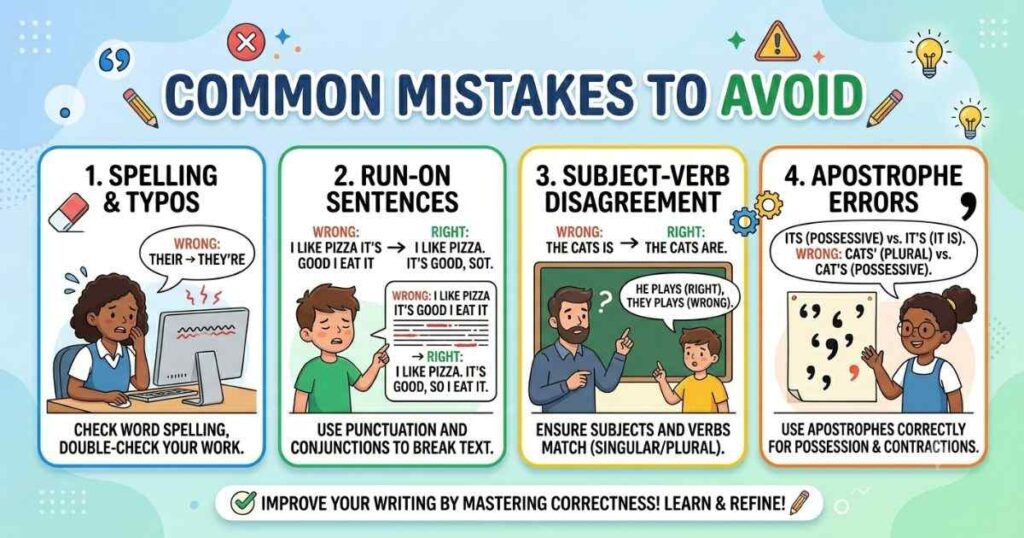
Even careful writers stumble with these two words. Here are the most common errors and how to sidestep them.
Using “Flatform” Instead Of “Platform”
This is by far the most frequent mistake. Writers sometimes type “flatform” when they clearly mean “platform,” especially in technology or business contexts. This error can make you appear unfamiliar with standard terminology and may confuse readers who know the correct usage.
The term flatform does not exist in the technology industry. If you write “We built our app on a flatform,” your credibility takes an immediate hit. The correct term is always platform in any tech, business, or general usage scenario.
How to catch this mistake: Before publishing any content, do a simple search for “flatform” within your document. Every instance should relate specifically to footwear. If it does not, replace it with a platform.
Assuming All Platforms Are The Same
Another common error is treating platform as a one-size-fits-all term without acknowledging that different platforms serve very different purposes. A social media platform like Instagram operates nothing like a cloud computing platform like Amazon Web Services. A political platform has nothing to do with software development.
Using “platform” without enough context can make your writing vague or misleading. Always add a clarifying word or phrase so your reader immediately understands which type of platform you are referencing.
Not Understanding The Benefits Of Each Platform
When writing about technology or business, many people use the word “platform” without truly understanding what differentiates one platform from another. For instance, a content management platform like WordPress prioritizes publishing and SEO, while a customer relationship management platform like Salesforce focuses on sales pipelines and client data. Ignoring these differences leads to generic, unhelpful content that does not serve your reader.
Offering Tips To Avoid These Mistakes
- Always research the correct definition of each term before writing about it
- Ask yourself: am I writing about footwear or fashion? If yes, flatform may apply. If not, use platform
- Add specific descriptors when using platform (social media platform, e-commerce platform, digital platform) to eliminate ambiguity
- Proofread specifically for flatform vs platform errors, especially in professional or technical documents
- When in doubt, consult a reliable dictionary or style guide for confirmation
Context Matters
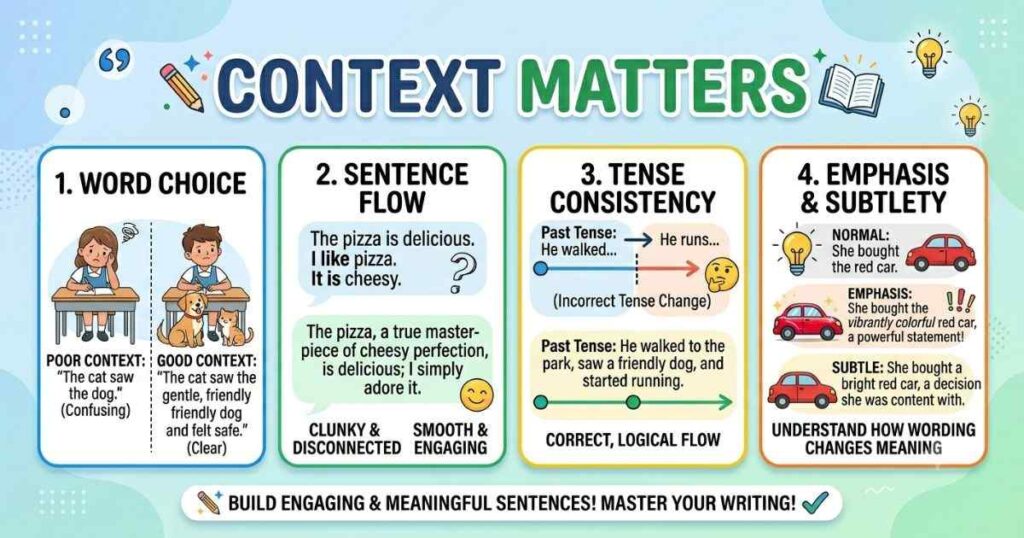
The single most important factor in choosing between flatform and platform is context. The same word can mean something completely different depending on the field, the audience, and the purpose of your writing.
Think of it this way: the platform is a major highway that carries heavy traffic across many industries. Flatform is a quiet side street with a very specific destination, the world of fashion footwear.
Examples Of Different Contexts
Here is how context shifts the correct choice between these two terms.
Fashion context: A stylist posting on a fashion blog would correctly write, “These flatform boots are the standout piece of this season’s street-style looks.” Using platform instead of flatform here would be grammatically acceptable but less precise, since platform shoes technically include a heel while flatforms do not.
Technology context: A software company announcing a new product would write, “Our new platform gives developers a seamless environment for building cross-platform applications.” Using flatform in this sentence would be an obvious error.
Transportation context: A travel guide would say, “Passengers should wait behind the yellow line on the platform until the train comes to a complete stop.” There is no scenario in which flatform would belong in this sentence.
Business context: A startup pitch might include the line, “We are building the leading marketplace platform for independent creators.” Again, flatform would be completely out of place here.
Mixed fashion and footwear context: A shoe retailer comparing product categories might write, “Our platform heels are bold and dramatic, while our flatform sandals offer the same elevated look with a flat, comfortable sole.” This is one of the rare cases where both words appear together, and they are clearly distinct from each other.
Also Get Information About This At: Dought vs Doubt: Which Should You Use In Writing?
Exceptions To The Rules
While the flatform vs platform distinction is generally straightforward, a few exceptions exist where the lines become slightly blurry.
1. Nautical Terminology
In nautical contexts, both terms can appear with related but distinct meanings. A platform on a ship typically refers to a raised structure, such as an observation or diving platform. In some older or specialized nautical texts, the word flatform has been used to describe a flat horizontal deck surface on a vessel. However, this usage is rare and largely historical. In modern nautical writing, platform remains the standard and preferred term.
2. Shoe Design
Within the footwear industry itself, flatform and platform are often used side by side but refer to structurally different products. A platform shoe can include a traditional heel on top of the raised sole, creating an incline. A flatform shoe, by contrast, has a level sole with no heel elevation at all. Both belong to the broader category of elevated footwear, but they are not interchangeable when describing a specific shoe’s structure. Always check the heel-to-toe slope before choosing which term to use.
3. Software Development
In developer communities, the word platform is occasionally extended into compound terms such as cross-platform, platform-agnostic, and low-code platform. These compound uses are well-established and widely accepted. However, the word flatform does not appear in any recognized technical terminology in software development or computing. If you see flatform in a software context, treat it as a spelling error. Platform is the only accepted term in this field, without exception.
Practice Exercises
Now that you have a solid understanding of both terms, put your knowledge to work with these exercises.
Exercise 1: Fill In The Blank
Choose the correct word, flatform or platform, to complete each sentence below.
- She wore her favorite __________ sandals to the outdoor music festival.
- The startup launched a new e-commerce __________ designed for small business owners.
- Waiting on the busy train __________, she checked her phone for updates.
- Many fashion designers include __________ boots in their autumn collections.
- The app is available across multiple __________ operating systems.
- The senator outlined her __________ during the televised debate.
Answer Key: 1. flatform, 2. platform, 3. platform, 4. flatform, 5. platform, 6. platform
Exercise 2: Sentence Writing
Write one original sentence for each word in each of the contexts listed below.
Flatform:
- Write a sentence using flatform in a fashion context.
- Write a sentence using flatform in a product review context.
Platform:
- Write a sentence using a platform in a technology context.
- Write a sentence using the platform in a transportation context.
- Write a sentence using the platform in a business context.
This exercise reinforces your understanding by asking you to produce the language yourself rather than simply recognize it. If your flatform sentences feel out of place anywhere other than footwear, that is a strong sign you have understood the distinction correctly.
Conclusion
The flatform vs platform distinction is simple once you understand context. Flatform is a fashion-specific term for shoes with a uniformly thick, level sole. Platform is a far broader word that applies to technology, business, transportation, politics, and everyday speech.
Using the wrong term in the wrong context can damage your credibility and confuse your readers. Always use flatform when discussing elevated flat-soled footwear, and platform for everything else. When the flatform vs platform choice feels unclear, let the context of your sentence guide you to the right answer.

Arslan is the creator and author behind FamesPedia, a platform focused on grammar, writing skills, and English language learning. Passionate about clear communication and effective writing, Arslan shares practical grammar tips, easy-to-follow language guides, and educational content to help readers improve their English with confidence.