Asking someone “how is your day going” is one of the most common ways to start a conversation. But when you say it every single day, it can start to feel flat and robotic. The good news is that English gives you dozens of fresh, warm, and natural ways to check in on someone without repeating the same old line.
In this guide, you will find 35 other ways to say “how is your day going” along with real examples, tone notes, and tips on when to use each one. Whether you are texting a friend, greeting a coworker, or writing a professional email, you will find the perfect alternative here.
What Does “How Is Your Day Going” Mean?
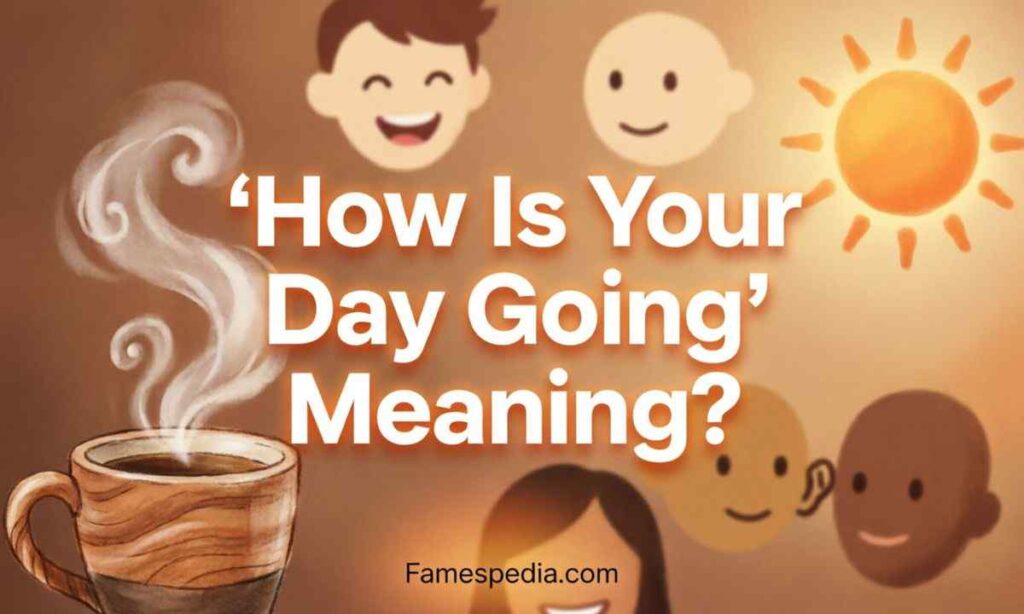
“How is your day going” is a friendly question that asks about someone’s experience up to this exact moment. It uses the present continuous tense, which shows that the day is still happening and not yet finished.
This phrase is not just about tasks or events. It also touches on feelings, energy, and mood. When you ask this question, you are showing the other person that you care about their wellbeing, not just their schedule.
People use this phrase with:
- Coworkers during a quick hallway chat
- Friends over text or a phone call
- Family members checking in after a long day
- Strangers in polite small talk, like at a coffee shop
When to Use “How Is Your Day Going”
This question works well in almost any casual or semi-formal setting. Here are the most common situations where it fits naturally:
- Starting a conversation with a coworker or classmate
- Checking in with a friend or family member
- Opening a text message or chat conversation
- Making small talk while waiting in line or during a break
- Following up with someone you have not spoken to in a while
It is best used when you genuinely want to know how someone is feeling or how their tasks are progressing. Save it for moments when you have time to actually listen to the answer, since it can feel insincere if you ask and then walk away.
Is It Professional or Polite to Say “How Is Your Day Going”?
Yes, this phrase is generally polite and professional. It works well in most workplace settings, especially during casual chats, team meetings, or emails to colleagues you know well.
That said, it leans semi-formal rather than fully formal. In a job interview, a formal business letter, or a first email to a new client, you may want a slightly more polished alternative, such as “I hope this message finds you well” or “I hope your day is going smoothly.”
The tone always depends on your relationship with the other person. With close coworkers and friends, keep it warm and casual. With clients, senior leaders, or people you have just met, lean toward the more polished versions on this list.
Synonyms for “How Is Your Day Going”
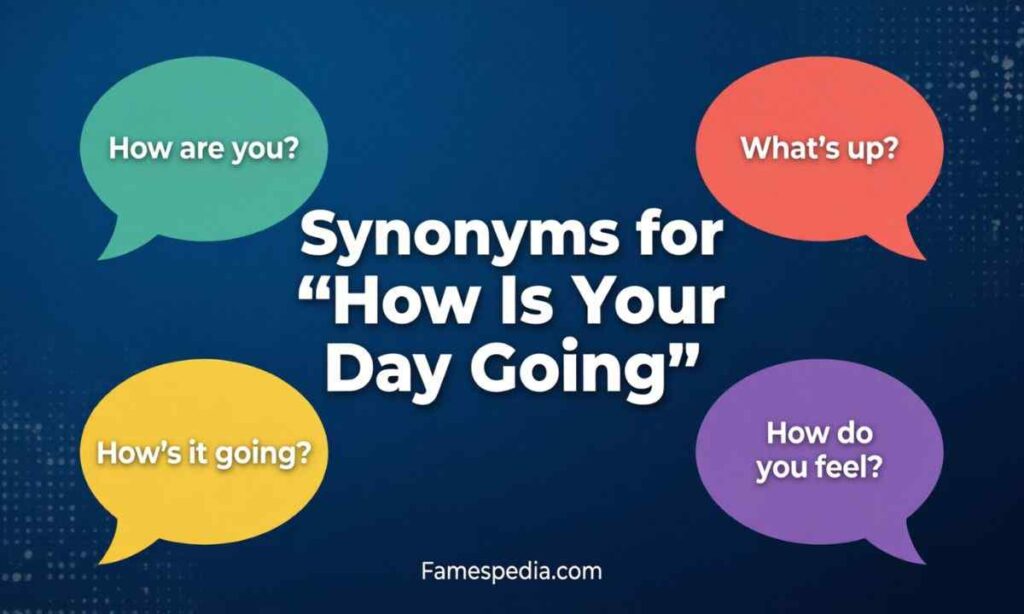
Below are 30 natural alternatives you can use in daily conversations, texts, emails, and professional settings. Each one comes with its meaning, an example, the best time to use it, and its overall tone.
How’s everything going today?
Meaning: A broad check in that covers work, mood, and general life.
Example: “Hey Sarah, how’s everything going today? Is anything exciting happening?”
Best Use: Casual chats with coworkers or friends.
Tone: Friendly and open.
How’s your day treating you?
Meaning: A playful way to ask if the day has been kind or difficult.
Example: “Morning, Alex! How’s your day treating you so far?”
Best Use: Light, casual conversations with people you know well.
Tone: Warm and slightly humorous.
How are things with you?
Meaning: A gentle, personal way to ask about someone’s overall situation.
Example: “I haven’t talked to you in a while. How are things with you?”
Best Use: Catching up with someone after time apart.
Tone: Caring and sincere.
How’s your day shaping up?
Meaning: Asks how the day is developing, especially in terms of tasks or plans.
Example: “How’s your day shaping up? Did the meeting go well?”
Best Use: Workplace check ins, especially midday.
Tone: Practical and friendly.
How’s life today?

Meaning: A broader version that goes beyond just the day.
Example: “Hey! How’s life today? Anything new?”
Best Use: Casual texts or quick greetings.
Tone: Relaxed and informal.
How’s your morning/afternoon/evening?
Meaning: A time specific way to ask about someone’s current part of the day.
Example: “Good afternoon! How’s your afternoon going so far?”
Best Use: Anytime you want to be specific about the time of day.
Tone: Polite and considerate.
How are you feeling today?
Meaning: Focuses on emotions and physical wellbeing rather than tasks.
Example: “You seemed tired yesterday. How are you feeling today?”
Best Use: When someone has been stressed, sick, or going through a hard time.
Tone: Compassionate and thoughtful.
How’s your week going so far?
Meaning: Expands the question from one day to the entire week.
Example: “Hey! How’s your week going so far? Hope it’s a good one.”
Best Use: Midweek check-ins, like a Wednesday message.
Tone: Warm and supportive.
How’s it going?
Meaning: A short, simple, and universal greeting.
Example: “Hey man, how’s it going?”
Best Use: Quick greetings with friends or casual acquaintances.
Tone: Casual and easygoing.
What’s new today?
Meaning: Invites the person to share something specific that happened.
Example: “What’s new today? Anything interesting going on?”
Best Use: When you want a more detailed answer than a simple “fine.”
Tone: Curious and engaged.
How’s your day unfolding?
Meaning: A slightly poetic way to ask how the day is progressing.
Example: “How’s your day unfolding? Has anything unexpected happened yet?”
Best Use: Creative or informal writing, like a friendly email.
Tone: Thoughtful and expressive.
How are you holding up today?
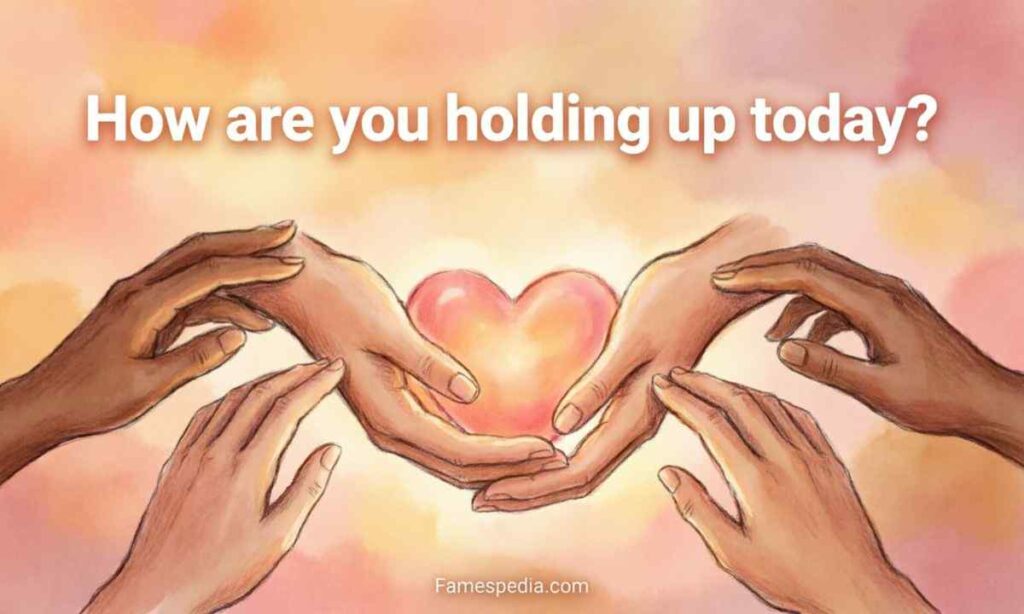
Meaning: Shows concern, especially if someone has been dealing with stress or a tough situation.
Example: “I know this week has been hard. How are you holding up today?”
Best Use: Supporting someone through a difficult time.
Tone: Gentle and empathetic.
How’s everything on your end?
Meaning: Asks about someone’s situation from their point of view.
Example: “Things are busy here. How’s everything on your end?”
Best Use: Remote work chats, calls, or emails.
Tone: Professional yet friendly.
How’s your energy today?
Meaning: Focuses specifically on motivation and physical or mental energy levels.
Example: “How’s your energy today? Ready to tackle this project?”
Best Use: Wellness focused conversations or coaching settings.
Tone: Encouraging and mindful.
How’s your day been so far?

Meaning: Asks about everything that has already happened during the day.
Example: “Good afternoon! How’s your day been so far?”
Best Use: Midday or afternoon check ins.
Tone: Friendly and conversational.
How’s your day looking?
Meaning: Asks about the plans and tasks still ahead.
Example: “How’s your day looking? Do you have time for a quick call?”
Best Use: Scheduling conversations or planning meetings.
Tone: Practical and direct.
How are things going today?
Meaning: A slightly more formal version of “how’s it going.”
Example: “Hi Mr. Patel, how are things going today?”
Best Use: Semi-formal workplace greetings.
Tone: Polite and neutral.
How’s your mood today?
Meaning: Directly asks about someone’s emotional state.
Example: “You seem quiet. How’s your mood today?”
Best Use: Close friendships or family conversations.
Tone: Caring and personal.
How’s your schedule treating you?
Meaning: Asks specifically about workload and time pressure.
Example: “You’ve had back to back meetings. How’s your schedule treating you?”
Best Use: Busy workdays or project deadlines.
Tone: Understanding and supportive.
How’s the day treating you so far?

Meaning: A slightly playful version of asking how the day has gone up to now.
Example: “Hey! How’s the day treating you so far?”
Best Use: Casual chats with coworkers or friends.
Tone: Light and friendly.
How’s it going over there?
Meaning: Adds a sense of location, often used for remote teams or long distance friends.
Example: “How’s it going over there? Is it still raining?”
Best Use: Video calls or messages with people in another place.
Tone: Warm and personal.
How’s your afternoon/morning treating you?
Meaning: Combines the time of day with the “treating you” phrase for a personal touch.
Example: “How’s your morning treating you? Coffee helps?”
Best Use: Casual daytime greetings.
Tone: Friendly and relaxed.
How’s your day been treating you?
Meaning: A slight variation that adds warmth and curiosity about the full day.
Example: “How’s your day been treating you? Does anything fun happen?”
Best Use: Evening check ins after work or school.
Tone: Kind and inviting.
How’s everything on your side?
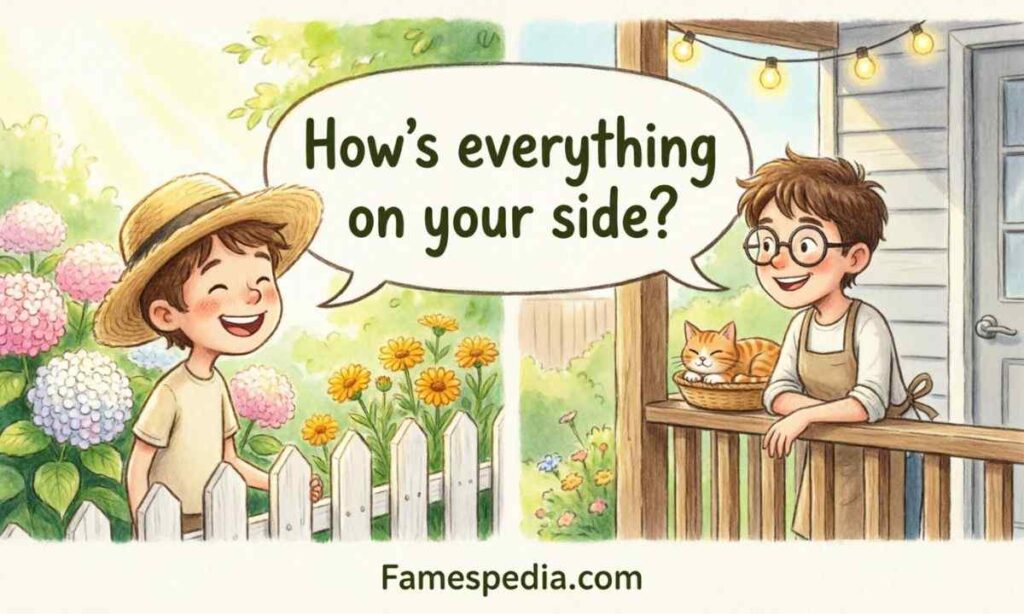
Meaning: Asks about someone’s individual perspective or workload.
Example: “We finished our part. How’s everything on your side?”
Best Use: Team projects or collaborative work.
Tone: Neutral and professional.
How’s life treating you today?
Meaning: A bigger picture version that touches on more than just the day.
Example: “Long time no talk! How’s life treating you today?”
Best Use: Reconnecting with someone after a while.
Tone: Warm and nostalgic.
How are you getting on today?
Meaning: A more British style way to ask how someone is managing their day.
Example: “How are you getting on today? Settling into the new role okay?”
Best Use: Workplace chats, especially in UK style English.
Tone: Polite and considerate.
How’s your day progressing?
Meaning: Focuses on the movement and pace of someone’s day.
Example: “How’s your day progressing? Are you on track with your tasks?”
Best Use: Project updates or professional check-ins.
Tone: Formal and focused.
How’s your world today?

Meaning: A gentle, big picture way to ask about someone’s overall life and mindset.
Example: “How’s your world today? Anything on your mind?”
Best Use: Deep or meaningful conversations.
Tone: Thoughtful and caring.
How’s your vibe today?
Meaning: A modern, casual way to ask about someone’s mood or energy.
Example: “How’s your vibe today? You seem extra happy!”
Best Use: Casual chats with friends or younger audiences.
Tone: Fun and upbeat.
How’s your spirits today?
Meaning: Asks about someone’s emotional outlook or morale.
Example: “How’s your spirits today? Feeling better after yesterday?”
Best Use: Supporting someone after a tough moment.
Tone: Gentle and encouraging.
Quick Comparison Table
Use this table to quickly find the right phrase based on the setting and tone you need.
| Phrase | Best Setting | Tone |
| How’s everything going today? | Workplace, friends | Friendly |
| How’s your day treating you? | Casual chats | Playful |
| How are things with you? | Reconnecting | Sincere |
| How’s your day shaping up? | Work check ins | Practical |
| How are you feeling today? | Support, care | Compassionate |
| How’s your week going so far? | Midweek chats | Warm |
| How’s it going? | Quick greetings | Casual |
| How are you holding up today? | Difficult times | Empathetic |
| How’s your energy today? | Wellness talks | Encouraging |
| How’s your vibe today? | Friends, casual | Upbeat |
Also Read This: 33+ Other Ways to Say “Happy Birthday” (With Examples)
Tips for Choosing the Right Alternative
Picking the best phrase depends on a few simple factors. Keep these tips in mind:
- Know your audience. Use casual phrases with friends and more polished ones with clients or new coworkers.
- Match the time of day. Phrases like “how’s your morning going” work better before noon than in the evening.
- Consider the situation. If someone is stressed, choose a caring phrase like “how are you holding up today” instead of a casual one.
- Keep it genuine. The words matter less than the tone behind them. Say it because you actually want to know.
- Mix it up. Rotating your phrases keeps conversations feeling fresh instead of repetitive.
Conclusion
“How is your day going” is a warm and useful question, but repeating it too often can make your conversations feel routine. With these 35 alternatives, you now have plenty of fresh ways to check in on friends, family, and coworkers in any setting.
The next time you want to start a conversation, try swapping in one of these phrases. A small change in wording can make your check ins feel more genuine and help you build stronger connections with the people around you.

Arslan is the creator and author behind FamesPedia, a platform focused on grammar, writing skills, and English language learning. Passionate about clear communication and effective writing, Arslan shares practical grammar tips, easy-to-follow language guides, and educational content to help readers improve their English with confidence.